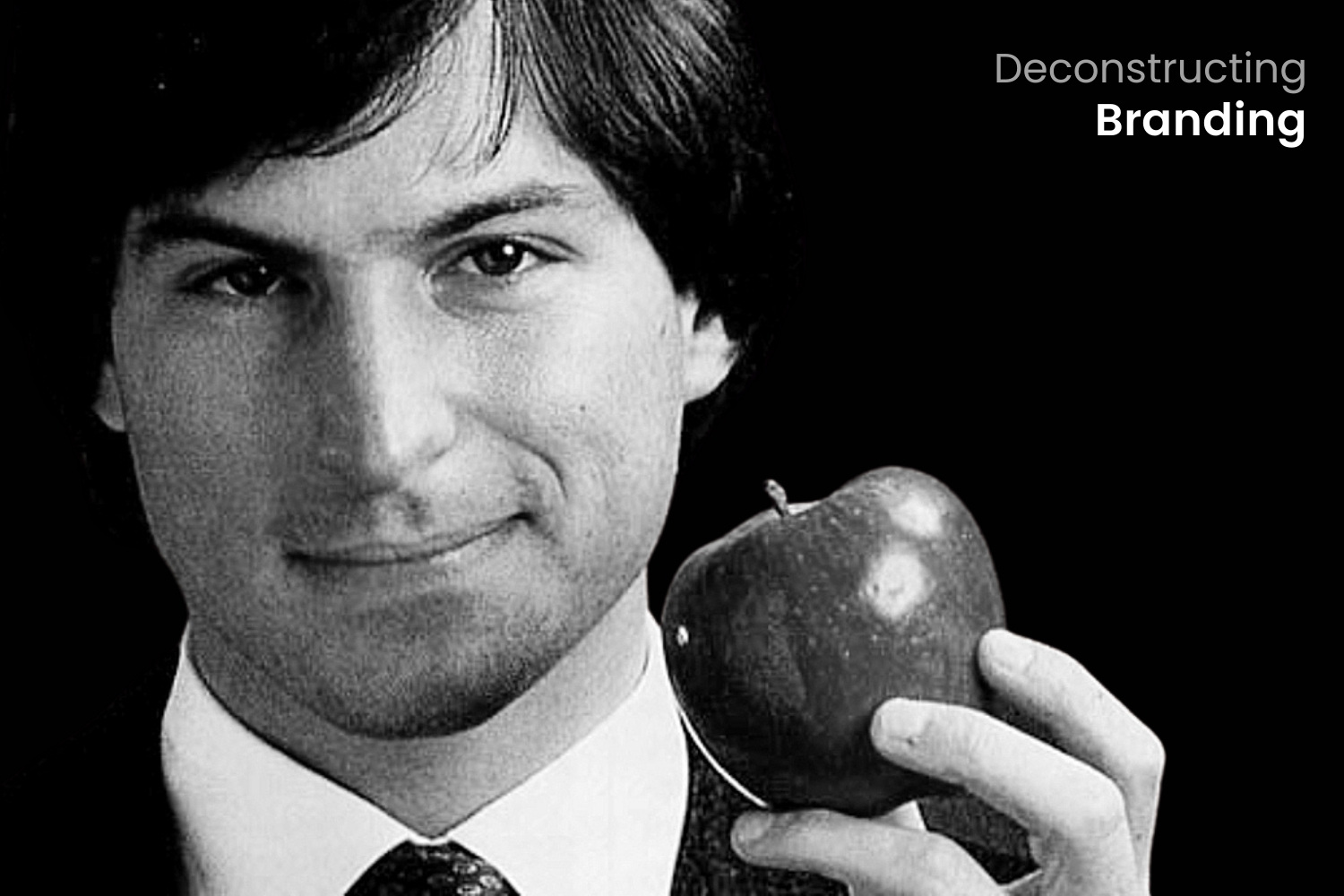


The Subtle Art of Premium Branding for People, Products, & Services,
(Increasing valuation, how to charge more, improving perception, increasing selling price)
One rookie mistake I see people make often is to slap the “Premium” Keyword all over for their Products, & Services. It may work sometimes, but oftentimes, It does not, and makes you look cheap.
Premium is a feeling, experience, and mind space for your brands, not just your price point. Many times various components of your services and products will convey the “premiumness” all on their own. You really don’t have to shout out loud, pretend or act in a certain way in front of an audience.
This is exactly why many premium brands go for abstract campaigns and can afford to be vague. The less they explain, the more curiosity they can invoke. They can afford to not be clear, because of their brand power/strength.
It’s a silent confidence, a grace and serenity knowing that you know the game well and naturally exude this confidence, without speaking or justifying a lot.
It often takes time and a lot of planning and work to reach this stage. The grassroots level work and amount of detail which goes into making premium services and products is unbelievable often. People just see one part of the whole equation and think that, that part is paramount. But it’s rarely so. It’s the sum of parts which makes the whole so powerful. Normal people often miss out on many details that are designed into premium brands and services.
If you want to create a premium brand, understand how value is created, increased, multiplied and compounded. More importantly, understand how brands lose value. Many times what you don’t do will preserve more value for premium brands and services.
Premium branding is the art of creating more than a product or a simple service; it is the orchestration of exclusivity, excellence, and emotional resonance that transforms ordinary transactions into extraordinary experiences. The world’s most coveted brands understand that true premium status isn’t achieved through high prices alone, but through the meticulous cultivation of desire, craftsmanship, and an unwavering commitment to delivering value that transcends the functional.
In today’s increasingly competitive marketplace, where consumers are bombarded with countless options, premium brands stand apart by creating deep emotional connections with their audience. They don’t simply sell products; they sell dreams, aspirations, and membership to an exclusive club. From Ferrari’s passionate engineering to Hermès’s artisanal craftsmanship, from Apple’s innovative design to Rolex’s timeless precision, premium brands have mastered the delicate balance between tradition and innovation, scarcity and desire.
This comprehensive exploration delves into the 32 fundamental pillars that define premium branding success, each illustrated with real-world examples and supported by relevant video demonstrations. Whether you’re building a new luxury brand or elevating an existing business, these principles provide the roadmap to creating a brand that commands respect, loyalty, and premium prices.
Understanding the Premium Brand Landscape
Premium brands occupy a unique position in the global economy, representing approximately $354 billion in luxury goods sales worldwide. These brands operate on fundamentally different principles than mass-market competitors, prioritizing emotional connection over efficiency, exclusivity over accessibility, and craftsmanship over cost-cutting.
The psychology behind premium purchasing reveals fascinating insights about human behavior. Research shows that luxury consumers are driven by more than wealth; they seek experiences that enhance their identity, signal their status, and connect them with their aspirations. Modern luxury buyers, particularly in emerging markets, are increasingly diverse, with millennials and Gen X consumers driving significant growth in markets like China, India, and Mexico, which are emerging economies and two of them heavyweights on their own, especially with regards to Population.
What distinguishes premium brands from their mainstream counterparts is their mastery of what researchers call the “Luxury Value Perception”; a complex psychological framework that combines functional excellence with emotional fulfillment. This perception is built through consistent delivery of superior quality, exclusive experiences, and meaningful brand narratives that resonate across generations.
The 32 Pillars of Premium Branding Excellence
1. Serve the Smallest Valuable Market
Premium brands deliberately choose to serve a narrow, high-value audience rather than attempting to appeal to everyone. This strategic constraint creates the foundation for everything that follows. Ferrari, for example, could easily produce 100,000 cars annually, but instead produces fewer than 15,000, maintaining exclusivity while commanding premium prices.
The concept of serving the smallest valuable market isn’t about limiting growth;it’s about concentrating resources on the customers who value your offering most. This approach enables brands to develop deep expertise in their customers’ needs, preferences, and aspirations, creating products and experiences that feel perfectly tailored.
Successful implementation requires rigorous customer research and the discipline to say “no” to attractive opportunities that don’t align with core customer needs. Brands like Hermès have mastered this approach, creating waiting lists that actually enhance desirability rather than frustrate customers.
Video References:
Focus On Your Smallest Viable Market – Scott Jeffery Miller
2. Precise Understanding of the Ideal Customer
Premium brands invest heavily in developing nuanced, data-driven portraits of their ideal customers. This goes far beyond demographics to include psychographics, lifestyle preferences, purchase behaviors, and emotional triggers. Chanel’s success stems from their deep understanding of their customer archetypes; sophisticated women who value timeless elegance and self-expression.
Modern luxury brands are leveraging advanced analytics and AI to gain unprecedented insights into customer behavior. Brands like Farfetch use sophisticated algorithms to predict purchasing patterns and personalize experiences at scale. This technological capability, combined with human insight, enables the kind of personalization that luxury customers expect.
The key is creating customer personas that are specific enough to guide product development and marketing decisions, yet flexible enough to evolve with changing consumer preferences. These personas should inform everything from product features to store design to digital experience architecture.
How To Find Better Customers | Alex Hormozi | YouTube Shorts
3. Boutique Approach Over Volume and Craftsmanship
Premium brands prioritize intimacy over scale, choosing personalized experiences over efficient processes. This boutique approach manifests in limited production runs, made-to-order services, and high-touch customer relationships. Hermès exemplifies this philosophy, with each Birkin bag requiring up to 48 hours of craftsmanship by a single artisan. Stories about exceptional craftsmanship create appreciation for premium pricing while differentiating brands from mass-market competitors. Hermès’s narratives about individual artisans creating single products over days of work justify both price and exclusivity.
Effective craftsmanship storytelling requires access to production processes and craftspeople, which requires genuine commitment to quality rather than marketing fabrication.
The boutique approach extends beyond production to customer service. Premium brands often assign personal advisors to high-value customers, maintaining relationships that span decades. This investment in human connection pays dividends in customer lifetime value and referral generation.
Successfully implementing a boutique approach requires careful balance. Brands must maintain operational excellence while preserving the personal touch that defines premium service. Technology can support this balance, enabling personalization at scale while maintaining the human elements that luxury customers value.
Video References:
Boutique Firms Are Better | YouTube Shorts
4. Defined Client Thresholds….Exclusivity
Premium brands set clear limits on how many clients they serve in a given period. Rolls-Royce caps annual production to keep ownership rare and maintain its exclusivity. These client thresholds force difficult decisions about who to accept, but they protect brand value.
Scarcity boosts perceived value and desire. When customers know access is limited, they value the opportunity more and become more committed.
To implement this, brands use advanced customer relationship systems to track capacity across all touchpoints. They also build fair, transparent processes for managing waiting lists and prioritizing customers so that scarcity enhances reputation rather than harms relationships.
Video References:
The Strict Rules Of Owning A Ferrari – YouTube
Rolls-Royce unveils bespoke Phantom ‘The Six Elements’ featuring hand-painted Sacha Jafri artwork
Unlock the Power of Scarcity: Ferrari’s $6 Billion Secret to Success
Here’s Why NOBODY Can Compete With Ferrari!
Ferrari: The Luxury Brand Beating All Financial Metrics | Expert Insights

5. Intentional Value and Profit Goals
Premium brands set specific, focused targets that prioritize margin over volume. Maybach’s strategy of maximizing per-unit profitability over total sales volume exemplifies this approach. These financial constraints force innovation and efficiency while preserving premium positioning.
Value-focused goal setting requires sophisticated financial modeling that accounts for the long-term costs of brand building. Premium brands often sacrifice short-term revenue opportunities to preserve long-term brand equity. This discipline separates premium brands from their mass-market counterparts.
Success requires alignment between financial targets and brand strategy. Every business decision should be evaluated against its impact on both profitability and brand perception, ensuring that cost-cutting measures don’t compromise the premium experience.
Video References:
Daniel Lescow, Head, Mercedes-Maybach On Brand’s History And Future In India
6. Enduring, Timeless Value
Premium brands design products and experiences that transcend trends, maintaining relevance across generations. Rolex’s Submariner, introduced in 1953, remains one of the world’s most coveted watches, with vintage pieces often selling for more than their original retail price. This timeless approach requires confident design decisions and resistance to fleeting fashions.
Creating timeless value demands deep understanding of what elements truly matter to customers over time. While surface aesthetics may change, core functional benefits and emotional associations tend to be more stable. Premium brands identify these enduring elements and build their identity around them.
The challenge lies in maintaining relevance without abandoning heritage. Successful premium brands master the art of evolution, updating their offerings to meet contemporary needs while preserving the essence that made them desirable in the first place.
Video References:
Story of an Icon: Rolex Submariner History
The True History Of The Rolex Submariner
7. Radical Differentiation
Premium brands create clear separation from competitors through distinctive design, technology, or philosophy. Tesla’s approach to electric vehicles combined sustainability with performance and luxury, creating an entirely new category. This positioning reduced direct comparison with traditional automakers and reframed how customers evaluated value.
The Cybertruck pushed this differentiation even further. Its radical, angular design, stainless-steel exoskeleton, and unapologetic rejection of conventional pickup aesthetics made comparison shopping almost impossible. Customers were not choosing between trucks; they were choosing whether they believed in Tesla’s vision of the future.
True differentiation goes beyond surface features to fundamental value propositions. Apple’s integration of hardware and software, for example, creates user experiences that are difficult for competitors to replicate. This systematic approach to differentiation builds sustainable competitive advantages.
Tesla integrates design, software, manufacturing, and ideology. The Cybertruck reflects this system-level thinking, where engineering, design, and brand philosophy reinforce each other.
Effective differentiation requires clear strategy and disciplined execution. Every Tesla touchpoint, from product launches to software updates, reinforces its identity as a future-oriented technology company rather than a traditional car brand. This coherence builds durable competitive advantage and loyalty that competitors struggle to replicate.
Effective differentiation requires clear brand strategy and disciplined execution. Every touchpoint should reinforce the brand’s unique position, creating coherent experiences that customers can’t find elsewhere.
Video References:
CYBERTRUCK Official Promo Video
Tesla Cybertruck: Built Different Is the Cybertruck a Real Truck? My Real-World Test
8. Creating Cults
Premium brands foster passionate communities that extend far beyond transactional relationships. Apple’s customers don’t just buy products; they join a movement built around innovation, design excellence, and creative empowerment. This cult-like devotion creates powerful word-of-mouth marketing and reduces customer acquisition costs. Cult creation or evangelization goes beyond regular customer success stories and testimonials. It creates a We vs Rest of the World Dynamic and it’s incredibly luring and powerful.
Cult creation requires authentic brand values that resonate with customers’ identities and aspirations. Brands must stand for something meaningful beyond profit, giving customers reasons to evangelize beyond product satisfaction.
The key is creating shared experiences and rituals that strengthen community bonds. Apple’s product launches, for example, become cultural events that reinforce belonging and shared values.
Video References :
Apple’s Cult-Like Language | YouTube
Why Apple Is A Cult | YouTube
Have designers become part of the Cult of adobe | YouTube Shorts
Turning a ‘Flaw’ into a Cult Signature: The Royal Enfield Story
Here’s how Starbucks built a billion $ cult – YouTube
How Starbucks Created a Cult Brand | 8 Lessons Ecommerce Businesses Can Learn | Kerrie Fitzgerald
Inside Trader Joe’s: The Genius Strategy Behind Its Cult Following (and Low Prices)
9. Creating Organic Evangelists
The most effective premium brand advocates are unpaid customers who genuinely love the brand and its values. Harley-Davidson riders form passionate communities that organize events, create content, and recruit new members organically. This authentic advocacy is more credible than paid endorsements and significantly more cost-effective.
Creating organic evangelists requires delivering experiences that exceed expectations consistently. When customers feel genuinely valued and understood, they naturally want to share their positive experiences with others.
Premium brands can support organic advocacy through exclusive access, special recognition, and opportunities for deeper engagement. The key is making evangelism feel rewarding rather than exploitative.
Video References:
How to Turn Customers Into Brand Evangelists
10. Preventing Value Erosion
Premium brands vigilantly guard against actions that could diminish perceived value. Luxury hotels understand that a single service failure can damage relationships that took years to build. This awareness shapes every operational decision, from staff training to quality control processes.
Value erosion can occur through overexposure, quality lapses, or strategic missteps. Premium brands develop sophisticated monitoring systems that track brand perception across multiple touchpoints, enabling rapid response to potential issues.
Prevention is more cost-effective than remediation. Premium brands invest heavily in training, systems, and processes that prevent value erosion before it occurs.
Video References:
Study into Total Quality Management of McDonalds
11. Intellectual Property and Trademark Protection
Premium brands aggressively protect their distinctive elements through comprehensive IP strategies. Tiffany & Co.’s defense of its signature blue demonstrates the importance of protecting even seemingly minor brand elements. Strong IP protection preserves brand exclusivity and prevents dilution through imitation.
Modern IP protection extends beyond traditional trademarks to include trade dress, design patents, and copyright protection. Premium brands often maintain large legal teams dedicated to IP enforcement.
Effective IP strategy requires proactive registration and consistent enforcement. Brands that fail to protect their IP often find their distinctiveness eroded over time.
Video References:
How Tiffany’s Is Keeping Up With Millennials | Fast Company
How Labubu Catapulted China’s Pop Mart to $1.8B in Revenue | The Economics Of
How Crocs Became An Unlikely Billion-Dollar Brand
12. Creative Problem-Solving through Innovation
Premium brands continuously innovate to solve customer problems in elegant, unexpected ways. Dyson’s revolutionary approach to household appliances transforms mundane tasks into experiences of technological sophistication. This innovation mindset keeps premium brands ahead of customer expectations. Thinking out of the box gives you unconventional solutions which others can never dream of. Sometime such thinking leads to new products and Categories.
Successful innovation often requires deep customer insight combined with technical capability.
Video References:
How Tesla Created Brand Authority Overnight by Positioning Differently
13. Continuous Innovation
Premium brands maintain competitive advantage through relentless innovation. Dyson’s regular introduction of breakthrough products keeps the brand ahead of competitors while maintaining customer excitement. This innovation mindset prevents premium brands from becoming complacent.
Innovation should align with brand values and customer needs. Not all innovation is appropriate for premium brands;the focus should be on meaningful improvements that enhance the customer experience.
Successful innovation requires significant investment in R&D, communities and customer research. Premium brands often allocate higher percentages of revenue to innovation than their mass-market counterparts.
Video References:
How the laser works on Dyson V15 Detect™ cordless vacuum | Intelligent cleaning explained
14. Obsession With Detail
Premium brands distinguish themselves through meticulous attention to details that others might consider unnecessary. Hermès artisans spend days hand-stitching single bags, creating imperfections that paradoxically signal authenticity and care. These details create discovery moments that reinforce premium positioning.
Detail obsession extends beyond product features to every customer touchpoint. Premium brands audit everything from packaging materials to store lighting to ensure consistency with brand standards.
The challenge is identifying which details matter most to customers. Successful premium brands develop sophisticated understanding of customer perception, focusing their detail obsession where it creates maximum impact.
Video References:
Why does Apple let you engrave your AirPods? #shorts – YouTube
Engrave your Memoji on AirPods. Tip from Garryn at the Apple Store. #Shorts – YouTube
Make your gifts more personal with free engraving. Only at Apple.
— Apple (@Apple) November 27, 2025
15. Elimination of Middlemen
Premium brands increasingly sell directly to consumers, maintaining control over the complete customer experience. Warby Parker’s direct-to-consumer model allows them to control pricing, customer service, and brand presentation while capturing margin that would otherwise go to retailers.
Direct relationships enable superior customer data collection and personalization opportunities. Without intermediaries filtering customer feedback, premium brands can respond more quickly to market changes.
The challenge is building sufficient scale and capability to replace traditional distribution channels. Many premium brands adopt hybrid approaches, maintaining selective retail partnerships while building direct capabilities.
Video References:
Tesla Is Destroying Car Dealerships
16. Premiumization, Personalization, and Standardization
Premium brands continuously elevate their offerings rather than standardizing for efficiency. Starbucks creates elevated coffee experiences while competitors focus on operational efficiency. This premiumization approach maintains differentiation as markets mature.
Premiumization requires constant innovation and investment in experience enhancement. Brands must resist the temptation to cut costs in ways that diminish the Premium Experience. Sometimes Premiumization can simply be Personalization. Personalization is Premiumization in many cases; the goods/services are custom made and something truly unique is made. Personalization signals respect for the individual. It transforms buyers into participants. Custom fit increases emotional ownership, switching costs, and lifetime value.
Success depends on understanding which elements customers value most and focusing premiumization efforts accordingly. Not every aspect of the experience needs to be premium, some can and should be standardized; but the most important ones must exceed expectations.
Think of Premiumization as an add on or extra layer on top of standardization ideally. It’s all about the extra details and going the extra mile so that the person on the other side smiles a lot wider and thinks about you longer, and mentions (about) you much more.
Video References:
What is Starbucks Reserve? | Alternate Unofficial Video
17. Systems and Processes That Signal Luxury
Premium brands develop internal systems that guarantee consistent excellence. Mercedes-Benz’s visible quality control processes reassure customers that every vehicle meets exacting standards. These systems become part of the brand story, demonstrating commitment to quality.
Luxury signaling systems extend beyond production to customer service, store operations, and digital experiences. Every process should reinforce the premium positioning through attention to detail and excellence in execution.
The key is making quality systems visible to customers without compromising efficiency. Premium brands often invite customers behind the scenes, using transparency as a differentiator.
Video References:
THE SECRETS OF LUXURY SEDANS: How S-Class, Maybach and EQS are made | WELT Documentary
Inside the World of Ferrari: Speed, Power & Luxury Unleashed! | YouTube
How Ferrari Cars Are Crafted | Inside Ferrari’s Secret Factory | YouTube
18. Unwavering Focus
Premium brands resist temptation to diversify beyond their core competencies. Lamborghini’s focus on supercars allows them to perfect their craft while competitors spread resources across multiple segments. This focus enables depth of expertise that generalists cannot match.
Focus requires discipline to decline attractive opportunities that don’t align with brand strategy. Premium brands often turn down profitable ventures that could dilute their positioning.
Maintaining focus while growing requires clear brand principles that guide decision-making. Every opportunity should be evaluated against its impact on brand coherence and customer perception.
Video References:
The Riskiest Decision at Zoho | Arjun V Paul | Linkedin
Patek Philippe Explained in 5 Minutes – What Makes them them Near-Perfect | YouTube
The Economist
Beyond Headlines, rage bait and breaking news, Long-form analysis delivered Weekly.
The Economist – Beyond the Headlines – 20s | Adage.com
The Economist – Which Way Do You Turn? – 20s | Adage.com
Monocle:
Actual target:
Globalist professionals
Taste-driven, city-oriented, high disposable income
Audience definition:
People who care about geopolitics + cafés + typography
About Monocle (2019)
About Monocle (2017)
Palantir:
Actual target:
- Governments and intelligence agencies
- Not SMBs
- Not consumers
Market size:
A few thousand buyers globally
Understanding Palantir: What the Company Really Offers
Palantir is the best software company and it’s not even close, says D.A. Davidson’s Gil Luria
Palantir: Because There Are Some Lines Google Won’t Cross
Bloomberg Terminal:
Actual target:
- Institutional finance professionals
- Cost: ~$20,000 per year per seat
Why small:
- Requires employer sponsorship
- Useless to individuals
How Bloomberg keeps the Terminal on the cutting edge
Bloomberg Terminal Essentials: Best Equities Functions
Bloomberg Terminal Essentials: Getting Started
19. Narrowing down on what Customers Value Most, and shaping what Customers Value.
Premium brands develop sophisticated understanding of what their customers value most. Lululemon’s products reflect deep insights into their customers’ lifestyles and aspirations, creating offerings that feel perfectly aligned with customer needs.
Value awareness requires ongoing research and customer engagement. Premium brands often maintain customer advisory boards and conduct regular research to track evolving preferences.
The challenge is balancing different customer segments that may have conflicting preferences. Premium brands often develop sub-brands or product lines that address specific customer needs while maintaining overall brand coherence.
Video References:
Why Lululemon Is Ahead of Its Time
20. Pursuit of Legendary Status
Premium brands aspire to redefine their categories and become cultural icons. Tesla’s impact extends far beyond automotive sales to influence entire industries toward electrification. This ambition for legendary status drives innovation and risk-taking that sets premium brands apart.
Legendary status requires consistent excellence over extended periods. Brands must maintain high standards even as they grow and face increasing scrutiny.
The pursuit of legendary status often requires brands to make bold bets that may not pay off immediately. Premium brands develop long-term perspectives that allow for strategic patience.
Video References:
The fundamental reason why Tesla exists has always been to accelerate the transition to sustainable energy.
Thank you to Tesla owners & employees—your support & hard work continues to make a difference. pic.twitter.com/MlfrcvxNuP
— Tesla Europe & Middle East (@teslaeurope) February 28, 2023
Cristiano Ronaldo vs Bugatti Veyron Nike Commercial
The BMW M5. Fastest saloon car on the planet | Commercial
Mastercard: The Red Ball
Mastercard Priceless ad
CHANEL N°5, the film with Nicole Kidman – CHANEL Fragrance
NO TIME TO DIE | LAND ROVER NEW DEFENDER
Range Rover Evoque | Speed Bump
The Snowball: A Lamborghini Christmas Story
A true Christmas story for Lamborghini’s Real Lovers
The Barber: a Lamborghini Christmas Story
Rolls-Royce | Chapter I: The Origins of Phantom I
Rolls-Royce | Chapter II: Phantom’s Enchantment Over a Century
Urus SE – Dare To Live More
Mercedes-Maybach SL 680 Monogram Series: Grand Opening
21. Defining Average vs. Bad Experiences (really well) in Advance, Avoiding Both
Premium brands establish clear standards that help employees distinguish between acceptable and unacceptable experiences. Ritz-Carlton’s service standards provide specific guidance on how to handle various situations, ensuring consistency across global operations.
Clear definitions enable better training and performance management. Employees understand expectations and can self-correct before problems escalate.
Standards must be regularly updated to reflect evolving customer expectations. What was considered excellent service yesterday may be merely acceptable today.
Premium customer experience goes far beyond excellent service to create transformative interactions that strengthen emotional connections and build lasting loyalty.
Video References:
Ritz-Carlton’s $2,000 Rule: The Ultimate Customer Service Story
Ritz-Carlton founder: ‘Caring for the customer doesn’t cost anything’
What Steve Jobs Learned From The Ritz-Carlton | Forbes
Customer Service Tips: The Ritz Carlton Story
Premium brands proactively identify and eliminate moments of mediocrity. Four Seasons empowers employees to create memorable moments through spontaneous gestures and personalized service. This proactive approach transforms routine interactions into brand-building opportunities.
Prevention requires sophisticated understanding of customer journey mapping. Premium brands identify all touchpoints and develop strategies to exceed expectations at each stage.
Employee empowerment is crucial for preventing average experiences. Staff must be trained and authorized to take initiative in creating exceptional moments.
Video References: We Are Four Seasons
Four Seasons Launches First Pop Down
Training at the Four Seasons
Premium brands invest heavily in preventing service failures before they occur. Emirates’ comprehensive crew training programs prevent problems that could damage brand reputation. This preventive approach is more cost-effective than reactive damage control.
Failure prevention requires systematic risk assessment and mitigation planning. Premium brands identify potential failure points and develop contingency plans.
Technology can support failure prevention through predictive analytics and real-time monitoring systems. Modern premium brands leverage data to anticipate and prevent problems.
Video References:
EMIRATES CABIN CREW TRAINING | What do you have to study and which exams you need to pass in Dubai
22. Accepting, Rectifying Mistakes… and Compensation
When problems do occur, premium brands view them as opportunities to demonstrate their commitment to customer satisfaction. American Express, and Amazon are renowned for resolving customer issues quickly and fairly, often exceeding customer expectations in the resolution process.
Effective compensation goes beyond financial remediation to relationship repair. The goal is emerging from problems with stronger customer relationships than existed before.
Compensation strategies should be proportional to the impact on customer experience. Minor inconveniences require different responses than major service failures.
Video References:
23. Limited Editions, Catalogues and Curations, Collectibles + Periodic Quality Enhancements
Premium brands use periodic quality enhancements not as disruption, but as a disciplined system of renewal. By releasing invite-only, catalogued, and carefully curated updates, often as limited editions or collaborative drops, brands maintain desirability while reinforcing scarcity and long-term collectibility.
Louis Vuitton exemplifies this approach through annual collaborations and tightly controlled limited editions that keep the maison culturally relevant while honoring its heritage. These releases are not mass refreshes; they are deliberate signals to the market.
Quality enhancements should feel evolutionary rather than revolutionary. Customers must recognize improvement without losing emotional continuity with the brand’s core identity. When done correctly, enhancements deepen attachment rather than reset expectations.
Equally important is cadence. Enhancement cycles must be carefully planned to sustain anticipation without fatigue. Too many changes feel chaotic and opportunistic; too few risk irrelevance. The optimal rhythm creates a sense of progression, with each release becoming part of a broader collectible narrative rather than a standalone product.
“LV Towards a Dream” reflects this philosophy at a brand storytelling level. It is a global campaign celebrating imagination, the inner child, and the spirit of travel through poetic visuals across Chile, the USA, Jordan, and Greece. Shot by Viviane Sassen, it reframes LV trunks as vessels of possibility, objects that carry dreams, memory, and meaning beyond function.
Rolex watches exist within a value system where each production year carries its own distinct worth. Rather than being interchangeable, every year’s output enters the market with unique pricing logic shaped by production volume, reference details, and its place in the brand’s timeline. Through controlled supply, restrained design evolution, and uncompromising technical standards, Rolex ensures that no two years age the same. As references are refined, paused, or discontinued, specific years begin to command clearly differentiated value in the secondary and collector markets.
While not every reference or production year appreciates uniformly, long-term patterns consistently show differentiation rather than commoditization.
Ownership therefore compounds over time, with each production year becoming a distinct collectible tier within an expanding archive where time does not dilute value, but defines it.
Louis Vuitton FIFA World Cup™ Trophy Travel Case
Victory is a State of Mind Campaign Analysis | Rahul Rana
Lionel Messi & Cristiano Ronaldo Louis Vuitton Campaign
The Messi vs. Ronaldo chess game has a HIDDEN MEANING 
 #DAZN
#DAZN
Towards a Dream in Petra and Wadi Rum, Jordan | LOUIS VUITTON
Towards a Dream in Milos, Greece | LOUIS VUITTON
Towards a dream | LOUIS VUITTON
Every Reference Point Of The Rolex Submariner (From 1953 to 2020)
24. Setting Industry Standards
Premium brands often become benchmarks that competitors aspire to match. Apple’s privacy policies and user interface design have influenced entire industries. This standard-setting role reinforces premium positioning and attracts customers who value leadership.
Standard-setting requires consistent excellence across all aspects of the business. Premium brands cannot afford to be industry leaders in some areas while lagging in others.
Industry leadership creates positive publicity and attracts top talent who want to work for recognized leaders. This creates a virtuous cycle that strengthens competitive position.
Video References:
Elon Musk on Tesla’s patents
Elon Musk Just ENDED Patents With ONE SENTENCE – YouTube
The real reason why Tesla made all Patents Open-Source | YouTube Shorts
Tesla and the Transformation of the Automotive Industry, Featuring Frank T. Rothaermel
Palantir: Because There Are Some Lines Google Won’t Cross
25. Identifying White Spaces for Standard-Setting and Operations.
Premium brands actively seek new areas where they can establish leadership positions. Tesla’s decision to open-source their patents demonstrates confidence in their innovation capabilities while advancing the broader EV industry.
White space identification requires sophisticated market analysis and trend forecasting. Premium brands invest in research and development teams that can identify emerging opportunities. Tesla understood there were no existing players in Electric supercars or performance cars and chose that segment to start manufacturing their models and that became sort of their whole brand, mean, green, sexy electric vehicles with stellar tech and automation.
First-mover advantage in new categories can create sustainable competitive advantages. However, premium brands must ensure they have the capabilities to execute successfully in new areas.
Video References:
Tesla and the Transformation of the Automotive Industry, Featuring Frank T. Rothaermel (Check 14:08)
26. Creative Revenue Streams (IPs* and Licensing)
Premium brands develop new revenue sources that leverage their brand equity without diluting it. Ferrari’s licensing of their brand for fashion and accessories creates additional revenue while reinforcing their performance heritage. The real skill is creating revenue streams out of nothing, with imagination and creativity. The brand is already there, can you creatively create revenue streams, enhancing the brand perception and experience, creating an ecosystem (vertical integration) or play in unrelated spaces as a strategic play going beyond just revenue streams? (The Risks:) In the latter, care should be taken so that it doesn’t turn out to be just overselling your brand in a space that makes 0 sense, and you make zero value additions, and end up diluting the brand instead of enhancing it.
New revenue streams should align with brand values and customer expectations. Extensions that seem inconsistent with brand character risk damaging overall brand equity.
Creative revenue generation requires careful testing and market validation. Premium brands often start with limited pilots before full-scale launches.
You need to have a great brand affinity, positioning and loyalty to carry out good licensing agreements and ensure all stakeholders win, and move forward sustainably.
IP*-Intellectual Property.
Video References:
How to Use Strategic Licensing to Grow Your Brand’s Revenue
Key Licensing Strategies for a Profitable Patent
Day 6 : Licensing with Manufacturing  Business Strategy for Sellable Products using 7 STEPS
27. Making the most out of Sensory Engagement
Premium brands create multi-sensory experiences that engage customers on emotional and subconscious levels. Abercrombie & Fitch’s signature store scent creates instant brand recognition and emotional connection. This sensory approach makes brand experiences more memorable and differentiated.
Modern sensory branding extends beyond traditional retail to digital and virtual experiences. Premium brands are experimenting with AR and VR technologies to create immersive sensory experiences online.
Sensory strategies must be culturally appropriate and consistent across all touchpoints. What works in one market may not translate effectively to others, requiring localized adaptation.
Video References:
Scent Marketing  : New Business Opportunity
How Luxury Brands Hack Your Brain to Make You Spend The Power of Scent: How Abercrombie & Fitch Dominated the Male Fragrance Market | #shorts
McD 2025 Netherlands Campaign | Linkedin | Dr Sanjay Arora
28. Association With High-Value Virtues
Premium brands align themselves with aspirational qualities that customers want to embody. Rolex’s association with achievement and excellence makes their timepieces symbols of success rather than mere functional objects. These associations create emotional connections that transcend product features. High Value virtues, help individuals gain respect naturally and be perceived in a much better light. There is autonomy and agency in high value virtues.
Virtue associations must be authentic and consistent with brand behavior. Customers quickly detect and reject inauthentic positioning attempts.
Successful virtue association requires long-term commitment and consistent messaging. These associations are built over years of consistent behavior and communication.
Video References:
Patagonia: The Sustainability Champions
Unfashionable
What’s Next? | Patagonia
Patagonia: The Paradox of an Eco-Conscious Company
A visual celebration of Hermès craftsmanship : showcasing the careful, hands-on techniques and quiet confidence of the brand’s makers that reinforce Hermès’s identity of integrity over speed.
Patek Philippe Explained in 5 Minutes – What Makes them them Near-Perfect
Patek Philippe (Core Values/Virtues) : Legacy, Permanence and Stewardship
Patek reframes ownership as guardianship/stewardship. The brand positions itself above trends, appealing to people who value continuity, responsibility, and generational thinking.
29. Shared Values/Virtues
The most successful premium brands achieve consensus about what they represent. Chanel’s universal association with elegance creates immediate brand recognition and desire. This shared perception simplifies customer decision-making and strengthens brand equity. People who relate with all things elegant (or identify themselves as elegant) will rush to buy Chanel products which will reinforce their identity as being elegant, and it’s a self sustaining positive virtuous cycle with regards to this quality/virtue/emotion.
Building shared perception requires consistent messaging across all touchpoints and markets. Any inconsistency can dilute the brand’s clear positioning.
Shared perceptions can become constraints if they limit brand evolution. Premium brands must balance consistency with the need to remain relevant to changing customer preferences.
Video References:
Coco Chanel – Fashion Icon & Collaborator Documentary
30. Consistent Emotional Response
Premium brands elicit predictable emotional responses that reinforce their positioning. Lamborghini consistently inspires excitement and aspiration, creating emotional connections that drive purchase decisions. This emotional consistency builds strong customer relationships.
Emotional consistency requires careful management of all customer touchpoints. Every interaction should reinforce the desired emotional response.
Measuring emotional response requires sophisticated research techniques beyond traditional satisfaction surveys. Premium brands often use neuroscience and psychological research methods to understand customer emotions.
Video References:
Urus SE – Dare To Live More
Other Example:
Rolls-Royce : Calm Authority and Effortless Power
Rolls-Royce does not excite. It reassures. The emotion is serenity combined with absolute dominance.
Primary emotion: Composed superiority
Consistency driver: Silence, restraint, bespoke service, understated communication
Rolls-Royce Presents Cullinan Series II | A New Expression of Modern Exploration
Bugatti : Awe, Extremity, and Absolute Dominance
Bugatti does not aim to excite in the playful sense or inspire aspiration through lifestyle. It produces awe. The emotional response is intimidation mixed with reverence. Bugatti makes customers feel they are witnessing the outer limits of what humans and machines can achieve.
Primary emotion: Awe and controlled fear
Secondary emotion: Intellectual admiration
The BUGATTI TOURBILLON: an automotive icon ‘Pour l’éternité’
31. Balancing Emotional Appeal with Technical Mastery, and Aiming to Evoke Strong Emotions (Which are often Primal)
Premium brands excel at combining superior functional performance with compelling emotional narratives. Omega’s timepieces are celebrated for both technical precision and historical significance. This dual appeal justifies premium pricing while creating emotional connections.
The balance between technical and emotional appeal varies by category and customer segment. Some customers prioritize performance while others focus on emotional benefits.
Effective communication of technical mastery requires translating complex features into customer benefits. Premium brands excel at making technical superiority relevant and understandable.
Luxury brands deliberately design for strong, predictable emotional reactions, not just appreciation of quality. When customers encounter these brands, they often feel emotions such as aspiration, pride, desire, awe, or reassurance of status. These emotions arise from consistent symbolism, controlled scarcity, and storytelling that elevates the product beyond utility. Crucially, successful luxury brands are technically capable of reproducing these emotions at scale by aligning design, communication, retail experience, and ownership rituals. The product becomes a trigger, but the emotion is the real value being sold.
Video References:
1948: The Seamaster is Born | Ocean Heritage | OMEGA
1957: Diving icons of OMEGA | Ocean Heritage | OMEGA
Apollo 13 and OMEGA: 50 Years Later | OMEGA
A Limitless LOVE Story | Cartier
A Magical Night in 13 Paix | Cartier
Worth The Wait | De Beers | De Beers Hidden Video
De Beers A Diamond is Forever Commercial (1997)
32. One Overarching, Unspoken Theme
The most sophisticated premium brands create unified experiences that don’t require explicit explanation. Hermès embodies quiet sophistication through every detail, from product design to store atmosphere to customer service. This integration creates brand experiences that feel effortless and natural.
Unspoken themes require exceptional attention to detail and consistency. Every element must contribute to the overall impression without calling attention to itself.
Creating unified themes requires strong internal culture and clear brand guidelines. All employees must understand and embody the brand’s essential character.
Video References:
Why Hermès Models Never Smile  Ever noticed they always look serious? ’Cause real luxury doesn’t try too hard. No smile = more mystery = more power. Mood sells. Not emotion. #LuxuryVibes #HermesMood #WhySoSerious #HighFashionEnergy #BrandSecrets #MinimalMood #branding #rubicubecreative #brandagency
Hermès reminds us that true luxury doesn’t shout, it breathes
1. Patek Philippe
Unified theme: Stewardship and permanence
Everything signals long time horizons. Product design avoids trends, boutiques feel hushed and ceremonial, and communication emphasizes generational continuity. The experience never rushes the customer.
2. Bottega Veneta
Unified theme: Quiet modern confidence
Logos are minimized, design language is restrained, and stores feel gallery like rather than commercial. The brand communicates taste through absence rather than assertion.
3. Brunello Cucinelli
Unified theme: Humanistic luxury
From ethical labor practices to earthy color palettes and calm retail environments, every element reflects dignity, balance, and respect for craftsmanship. Luxury feels moral, not indulgent.
4. Aston Martin
Unified theme: Refined performance
Design, sound, and service convey elegance before aggression. The brand avoids excess theatrics, reinforcing an image of confident restraint and cultured power.
5. Van Cleef and Arpels
Unified theme: Poetic enchantment
Jewelry design, storytelling, and boutique atmosphere evoke fantasy, romance, and delicacy. The experience feels dreamlike but precise, never ostentatious.
6. Bulgari
Unified theme: Confident Roman opulence
Design language, architecture, and storytelling draw from Rome’s grandeur. Boldness is controlled, expressive, and culturally rooted rather than loud.
7. Eleven Madison Park
Unified theme: Thoughtful restraint and reverence
Eleven Madison Park creates a dining experience that feels calm, intentional, and deeply considered without ever explaining itself. The room, pacing, service language, and plating all reinforce a sense of quiet seriousness and respect for the guest. Hospitality is precise but warm, never theatrical. Nothing competes for attention, allowing focus, presence, and anticipation to emerge naturally. The result is an experience that feels ceremonial yet effortless, where excellence is sensed rather than announced.
Addendum:
1. The Psychology of Premium Consumption | RRATIONAL
2. 30 Levers of Premium Branding: A quick cheat sheet to check if your brand justifies premium valuations.
BONUS (Other Perspectives):
The 4 Rules of Successful Premium Branding | Joe Zandstra
The Psychology of Premium Branding | Omar Eddaoudi
The Psychology of Premium Branding | Clara Iglesias